

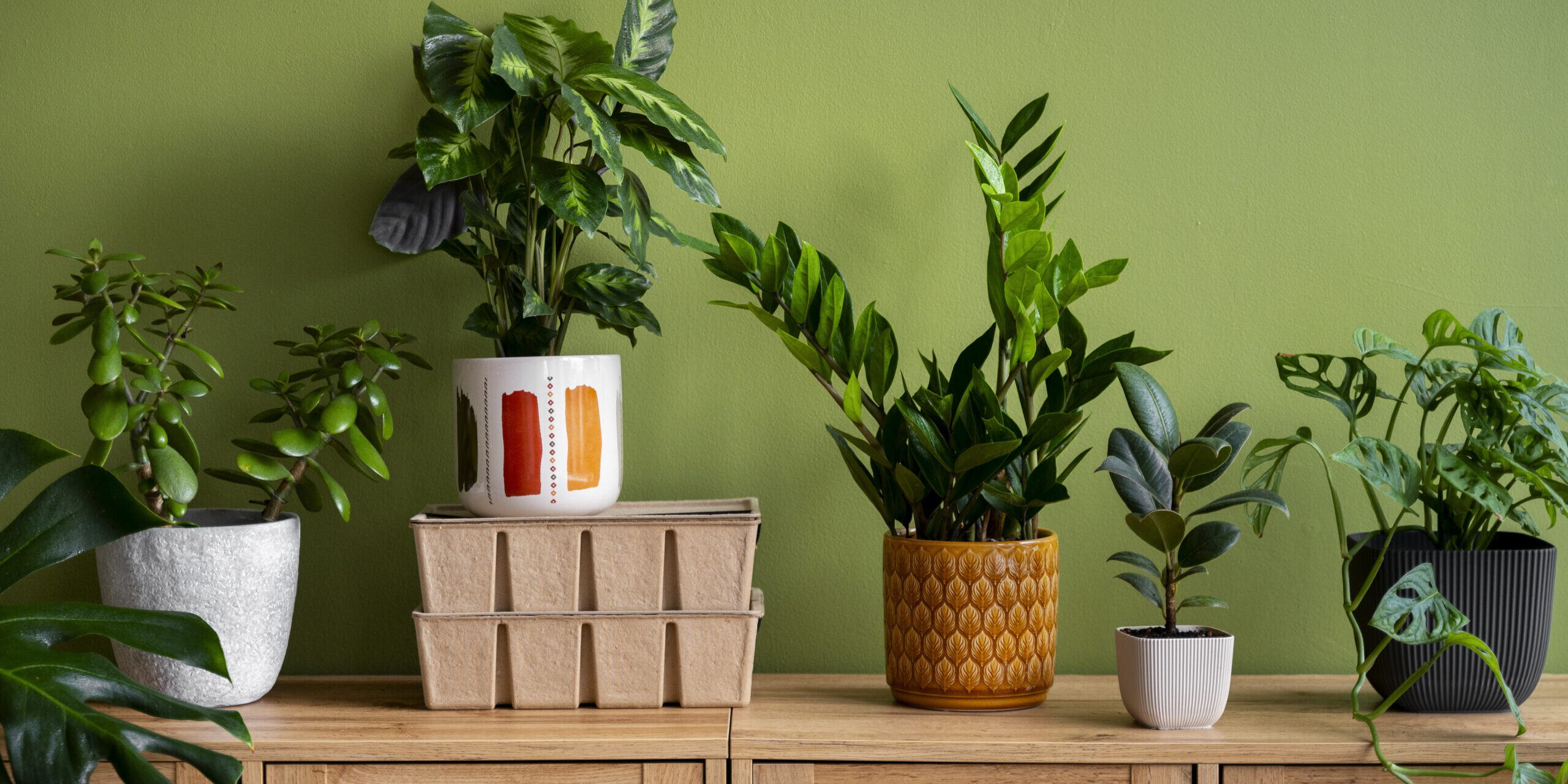
We know, we know.. Keeping plants properly watered can be really challenging. That’s why self watering planters have become increasingly popular in homes, offices, and public spaces across North America. These innovative containers help provide plants with a consistent water supply, reducing maintenance while supporting healthier growth.
If you want to know more about self watering planters: how they work, their benefits and whether they’re the right choice for your indoor plants, you’re in the right place!
What is a self watering planter?
Many people also refer to them as self watering pots or self watering plant pots, but the principle remains the same: providing plants with a steady source of water while reducing the risk of overwatering or underwatering.
How do self watering planters work?
Most self watering planters consist of two main sections:
- A planting chamber containing the soil and plant
- A water reservoir located beneath the soil
The soil is connected to the reservoir through a wick, soil column, or specialized insert. As the soil begins to dry, water is drawn upward into the root zone through capillary action. The plant then absorbs moisture according to its needs.
This system creates a more consistent moisture level than traditional watering methods, helping plants thrive without requiring constant attention.
The same concept applies to self watering pots, whether they are used in homes, offices, or larger commercial installations.
How to use self wtaring planters?
1. Fill the Reservoir
Before planting, fill the water reservoir according to the manufacturer’s instructions.
2. Add the Appropriate Growing Medium
Use a quality potting mix that allows moisture to move effectively throughout the planter.
3. Plant as Usual
Place your plant in the growing chamber and ensure the roots have access to the moisture pathway.
4. Refill as Needed
Check the reservoir periodically and refill when necessary. Depending on the plant, environment, and planter size, this could range from every few days to every few weeks.
Are self watering pots good for indoor plants?
Benefits include:
- More consistent soil moisture
- Reduced maintenance
- Less frequent watering
- Healthier root development
- Reduced risk of water stress
- Cleaner watering with fewer spills
For offices and commercial environments, self watering planters can significantly reduce the time required to maintain indoor greenery.
Benefits of self watering planters
Many businesses invest in commercial planters because they help create welcoming, biophilic spaces while supporting employee wellbeing and customer experience. Adding a self watering system can make these installations even more practical for everyone!
Reduced maintenance costs
Plants that receive consistent moisture generally require less intervention and fewer emergency watering visits from maintenance teams.
Improved plant health
Large commercial installations often contain multiple plant species. Self watering systems help provide a more stable growing environment for your plants.
Better water efficiency
Because water is stored in a reservoir and delivered gradually, there is often less water waste compared to traditional watering methods.
Consistent appearance
Healthy plants maintain a fuller, greener appearance, helping businesses preserve a professional image.
Self watering planters vs. traditional pots
Traditional Pots
Frequent watering required
Risk of under watering
Risk of overwatering
Higher maintenance
Variable plant growth
Self Watering Planters
Less frequent watering
More consistent moisture
Controlled water uptake
Reduced maintenance
Stable growing conditions
By combining convenience, water efficiency, and improved plant health, both self watering planters and self-watering planters continue to be a popular choice for modern interior landscaping and biophilic design.